
Guitar binding
Craftsmanship in American guitar making has always balanced precision with artistry. From boutique builders in California to heritage workshops in Tennessee, visual refinement plays a major role in how an instrument is perceived and valued. Subtle design elements elevate a build beyond function, creating instruments that feel personal, expressive, and enduring. Among these refinements, edge detailing has become a defining feature for builders who want their work to stand out while respecting traditional luthiery values.
Table of Contents
- Understanding the Role of Guitar Binding in Modern Builds
- Why Koa Stands Out Among Guitar Tonewoods
- Comparing Koa Guitar Binding to Other Popular Options
- Precision Processing and Technology in Binding Production
- Key Advantages of Premium Koa Binding
- Insights for Builders and Custom Shops
- Conclusion: Elevating Craftsmanship with Thoughtful Detailing
Understanding the Role of Guitar Binding in Modern Builds
What Binding Adds Beyond Protection
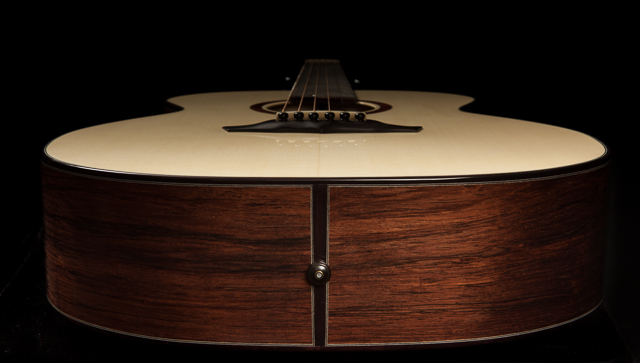
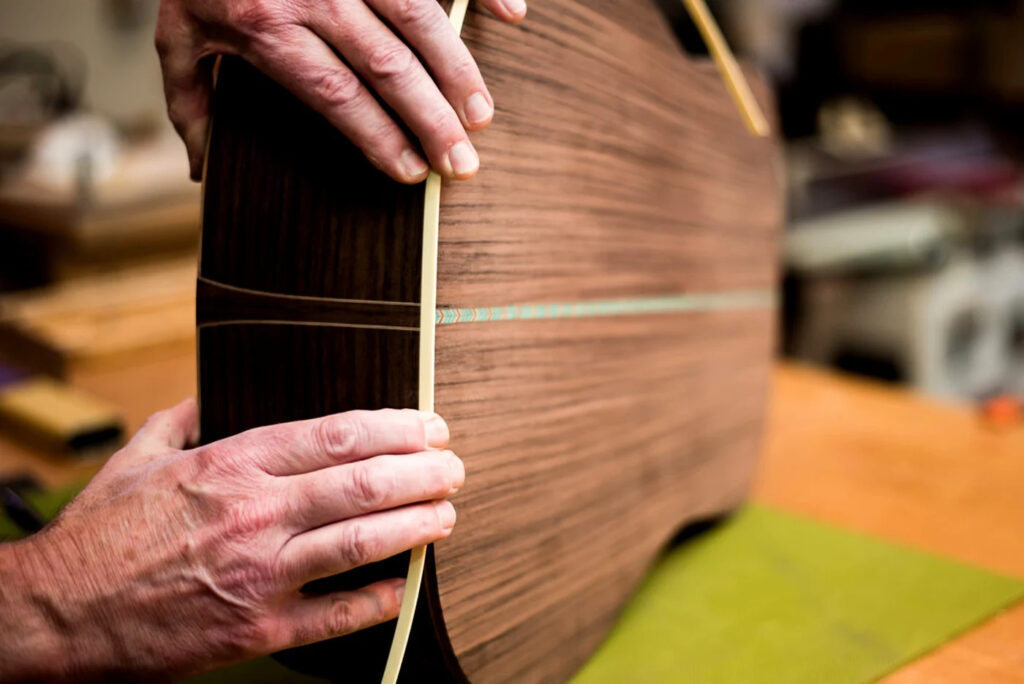
Binding serves both structural and aesthetic purposes. It reinforces the edges of an instrument, protecting delicate areas from wear while providing a clean visual frame. In high-end American builds, this detail often reflects the maker’s philosophy, whether minimalist, ornate, or historically inspired.
How Builders Choose Binding Materials
Material selection depends on tone, appearance, availability, and compatibility with the body wood. Many U.S. workshops rely on trusted suppliers and local saw mill partners to ensure consistency and ethical sourcing. This careful selection process supports long-term durability and visual harmony across the instrument.
Why Koa Stands Out Among Guitar Tonewoods
The Heritage of Koa in American Luthiery
Koa has long been prized for its warm hues and organic grain patterns. While traditionally associated with Hawaiian instruments, it has earned a respected place in U.S. custom builds due to its stability and visual depth. When used as guitar binding, koa offers a refined contrast without overpowering the body design.
Plain vs. Figured Variations
Plain koa binding provides understated elegance, making it ideal for vintage-inspired instruments. Figured koa binding, on the other hand, introduces movement and character through curl and flame patterns, appealing to builders creating statement pieces. Both options allow makers to align aesthetics with the overall design vision.
Comparing Koa Guitar Binding to Other Popular Options
Koa vs. Maple Binding
Maple binding remains a classic choice due to its brightness and clean contrast. However, koa guitar binding delivers a warmer, more organic look that complements a broader range of finishes. Builders seeking visual continuity often prefer koa when working with rich, earthy color palettes.
Blending with Other Tonewoods
When paired thoughtfully, koa binding enhances the natural beauty of various guitar tonewoods. Its adaptability makes it suitable for both acoustic and electric designs, especially when sourced from a specialized tonewood shop with expertise in grading and preparation.
Precision Processing and Technology in Binding Production
From Saw Mill to Workshop
High-quality binding begins at the saw mill, where logs are carefully milled to preserve grain integrity. Advanced cutting technology ensures consistent thickness and flexibility, critical for clean installation. U.S. suppliers often invest in modern equipment to meet the expectations of professional luthiers.
Quality Control and Craft Standards
Reputable businesses maintain strict inspection processes, ensuring each strip meets dimensional and visual standards. These services support builders by reducing waste and improving efficiency during assembly.
Key Advantages of Premium Koa Binding
- Enhanced visual warmth and natural elegance
- Compatibility with a wide range of finishes
- Reliable stability when properly seasoned
- Versatility for custom and production builds
- Strong appeal to collectors and players alike
Insights for Builders and Custom Shops
Matching Binding to Brand Identity
For American guitar makers, design consistency matters. Choosing koa binding can reinforce a brand image centered on craftsmanship, authenticity, and premium materials. Regular updates from suppliers about stock and grading help builders plan future releases with confidence.
Supporting Sustainable Business Practices
Many tonewood suppliers now emphasize responsible sourcing and transparent supply chains. Partnering with ethical businesses strengthens trust with customers and aligns with modern expectations around sustainability and material stewardship.
Frequently Asked Questions
What makes koa suitable for guitar edge detailing?
Koa offers a balance of flexibility, durability, and visual appeal, making it ideal for detailed edge work without compromising structural integrity.
Is plain koa better than figured options?
Neither is inherently better; plain koa binding suits subtle designs, while figured koa binding is preferred for visually expressive instruments.
How does koa compare to synthetic alternatives?
Natural wood options provide organic variation and warmth that synthetic materials cannot replicate, especially in premium builds.
Can koa binding be used on electric guitars?
Yes, it is commonly used on both acoustic and electric instruments, particularly in custom and boutique U.S. builds.
How should builders store binding materials?
Proper humidity control and flat storage prevent warping and maintain flexibility before installation.
Does binding affect tone?
While primarily visual and protective, high-quality binding supports structural integrity, indirectly contributing to long-term tonal consistency.
Conclusion: Elevating Craftsmanship with Thoughtful Detailing
Premium edge detailing reflects the care and intention behind every instrument. Choosing koa binding allows American builders to combine tradition, innovation, and visual sophistication in a single design element. Whether sourced for a custom commission or a limited production run, this material enhances both the instrument’s appearance and its perceived value.
Call to Action:
If you are a builder, restorer, or workshop owner seeking reliable materials and expert guidance, connect with a trusted U.S.-based tonewood shop today. Explore premium options, request samples, and elevate your next build with craftsmanship that speaks for itself.