

Choosing a trusted siding contractor in Austin matters because exterior cladding affects a home’s appearance, weather protection, maintenance needs, and long-term value. A professional installation also depends on more than the siding material itself. Accurate measurements, proper preparation, moisture management, fastening, and finishing all contribute to the final result.
Before signing a contract, Austin homeowners should ask practical questions that reveal how a contractor approaches planning, materials, installation, pricing, and communication. The following nine questions can help make the selection process clearer and more informed.
1. How Much Experience Do You Have With Residential Siding Projects?
Start by asking about the contractor’s experience with residential properties similar to yours. A contractor who regularly handles home exteriors is more familiar with common siding configurations, architectural details, trim, wall transitions, and installation challenges.
Ask how long the company has been completing siding projects and whether it can provide examples of comparable work. Evaluate its experience alongside its workmanship, communication, and ability to explain the proposed process clearly.
For Austin homeowners comparing trusted siding contractors, practical experience matters more than broad claims alone. Look for a contractor that can explain what will happen before, during, and after installation.
2. Which Siding Materials Do You Recommend for My Home?
The best siding material depends on your home’s design, durability needs, maintenance expectations, and budget.
Fiber cement siding is a common option because of its durability, design flexibility, and resistance to common exterior conditions. Other materials may also be appropriate depending on the project.
A knowledgeable contractor should explain the advantages and limitations of each suitable option, not just recommend the most expensive product. Ask about thickness, finish, color options, maintenance expectations, manufacturer requirements, and expected performance.
3. How Will You Inspect and Prepare the Exterior Before Installation?
Preparation is one of the most important parts of an exterior project. Installing new siding over an inadequately prepared surface can affect appearance and long-term performance.
Ask whether the contractor will inspect the existing siding, wall surfaces, framing, moisture-prone areas, openings, and other relevant components before work begins. A trusted siding contractor in Austin should also explain how it will prepare the installation area and what will happen if unexpected conditions are discovered.
A detailed pre-installation assessment helps establish the actual project scope rather than relying on assumptions made from a quick visual estimate.
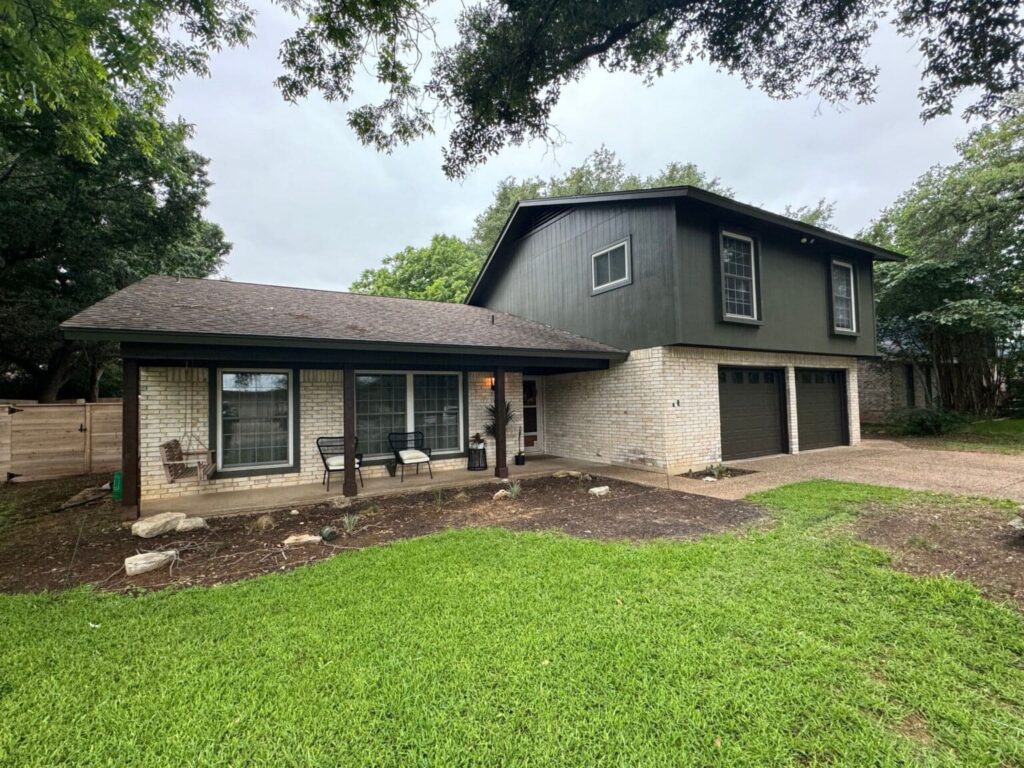
4. How Do You Calculate the Project Estimate?
A written estimate should make it easier to understand what the project price includes. Ask how measurements are taken and whether the estimate identifies materials, labor, preparation, trim, finishing, disposal, and other applicable project costs.
Accurate measurements are particularly important for siding because wall dimensions, openings, gables, corners, and architectural features can influence material quantities. A professional local siding contractor should use Genuine Texas Exteriors, accurate measurements, and detailed planning to define the project scope before installation.
Avoid relying on a verbal price alone. A clear written proposal lets homeowners compare contractors based on the actual scope of work, not price alone.
5. What Does Your Siding Installation Process Include?
Ask the contractor to explain the installation process from start to finish. A professional siding installation company in Austin should be able to describe the major stages of the project in straightforward language.
The process may include:
- Initial consultation and exterior assessment
- Measurements and project planning
- Material and color selection
- Surface preparation
- Installation of appropriate moisture-management components
- Siding and trim installation
- Quality checks and finishing
- Site cleanup
- Final walkthrough
The exact process will vary according to the home and selected materials. The key is that the contractor has a defined process and communicates expectations before work begins.
6. What Installation Standards and Manufacturer Requirements Do You Follow?
Siding performance depends heavily on installation quality. Even high-quality materials can underperform when they are improperly aligned, fastened, sealed, or detailed.
Ask whether installers follow the applicable manufacturer’s installation instructions and building-code requirements. It is also reasonable to ask who will perform the installation and whether subcontractors will be involved.
This question helps distinguish a contractor focused on complete installation quality from one focused primarily on delivering materials and completing the visible portion of the project.
7. What Happens If Unexpected Conditions Are Found?
Exterior projects can sometimes reveal conditions that were not visible during the initial assessment. For example, deteriorated framing or moisture-related concerns may become apparent once existing siding is removed.
Ask how such situations are documented and communicated. A reliable contractor should explain how it reviews unexpected conditions and obtains approval for any scope changes before starting additional work.
Clear communication can reduce misunderstandings and make the project easier to manage from beginning to end.
8. What Warranties Apply to the Materials and Workmanship?
Discuss warranty coverage before the project starts. Ask which warranties come from the siding manufacturer and whether the contractor provides separate workmanship coverage.
Also ask what the warranty covers, how long it lasts, and what conditions may affect coverage. Keep copies of the contract, product information, warranty documentation, and other project records in a safe place.
Ask the contractor to provide written details about applicable manufacturer warranties and any separate workmanship coverage.
A warranty should not be the only factor in selecting a contractor, but understanding the terms can help Austin homeowners make a better-informed decision.
9. What Timeline Should I Expect for the Project?
Ask a trusted siding contractor in Austin for a realistic project schedule, not a vague promise to finish quickly. The timeline can depend on home size, siding material, preparation requirements, design details, weather, material availability, and the scope of work.
The project timeline varies based on the home’s size, chosen materials, and preparation needs. Most residential siding installation projects take a few days to complete, although weather conditions and the overall scope of work may affect the schedule.
Ask when materials are expected to arrive, when installation is scheduled to begin, how progress will be communicated, and what circumstances could affect completion.
What Should Be Included in a Siding Contract?
Before approving a project, review the agreement carefully. A useful contract should clearly identify the scope of work, selected materials, project price, payment terms, estimated schedule, warranty information, and change procedures.
It should also be clear which preparation and finishing tasks are included. Details such as trim, removal of existing materials, disposal, painting or finishing, and cleanup should not be left ambiguous.
A detailed contract protects both parties by establishing shared expectations before installation starts.
How to Compare Siding Contractors Beyond Price
Price matters, but it should not be the only comparison point. A lower initial estimate may not mean better value if it excludes important preparation or finishing work.
When comparing contractors, consider:
- Experience with residential exterior projects
- Quality and suitability of proposed materials
- Detail of the written estimate
- Installation process
- Communication practices
- Warranty coverage
- Project timeline
- References and independently verifiable reviews
The goal is to find a contractor that offers a reasonable balance of quality, transparency, workmanship, and project planning.
When Should You Consider Siding Replacement?
Visible cracks, warping, fading, loose panels, signs of moisture, or increasing maintenance needs may indicate that the siding should be professionally evaluated.
However, visible wear does not automatically mean you need to replace the entire exterior. Before deciding, evaluate the siding’s condition, the material’s age, the extent of deterioration, and your overall project goals.
If replacement is appropriate, proper planning becomes especially important. The new system should complement the home’s architecture while providing the desired durability and ease of maintenance.
How to Plan for Exterior Siding Installation
Good planning can make the project more predictable. Start by identifying your primary goals: improving appearance, reducing maintenance, updating aging materials, or improving overall exterior performance.
Next, establish a realistic budget and compare written proposals. Collect product information and warranty documents, and confirm the installation timeline before work begins.
It can also be useful to coordinate siding with other planned exterior improvements. Window projects and siding work, for example, may be planned together so exterior details can be coordinated efficiently.
For homeowners considering siding installation in Austin, choosing the right contractor and establishing the scope before materials arrive can make the overall project much smoother.
Frequently Asked Questions
How do I choose a reliable siding contractor in Austin?
Look for relevant residential experience, clear written estimates, appropriate insurance, strong communication, material knowledge, transparent warranty information, and independently verifiable customer feedback. Ask detailed questions before signing a contract.
How long does residential siding installation usually take?
The timeline depends on the home’s size and design, material selection, preparation needs, and weather. Many residential projects can be completed within several days, but a contractor should provide a project-specific estimate.
What siding material is suitable for a home?
The right siding material depends on the home’s design, desired appearance, maintenance expectations, budget, and local performance requirements. Fiber cement is one commonly considered option because of its durability and design flexibility.
Should old siding always be removed before new siding is installed?
Not necessarily. The appropriate approach depends on the existing material, its condition, the wall assembly, manufacturer requirements, and applicable building requirements. A professional assessment should determine the correct installation method.
What should I look for in a siding estimate?
Check that the estimate clearly explains materials, quantities, labor, preparation, trim, finishing, cleanup, warranty information, payment terms, and any conditions that could change the scope or price.
Can siding improve a home’s appearance?
Yes. New siding can significantly change the exterior appearance through updated profiles, textures, colors, and trim combinations. It can also help you coordinate the exterior design more effectively.
How can I prepare my home for siding installation?
Clear items away from exterior walls, protect or relocate fragile outdoor belongings, discuss access requirements with the contractor, and confirm the project schedule. The contractor should provide any additional preparation instructions specific to the property.
Final Thoughts
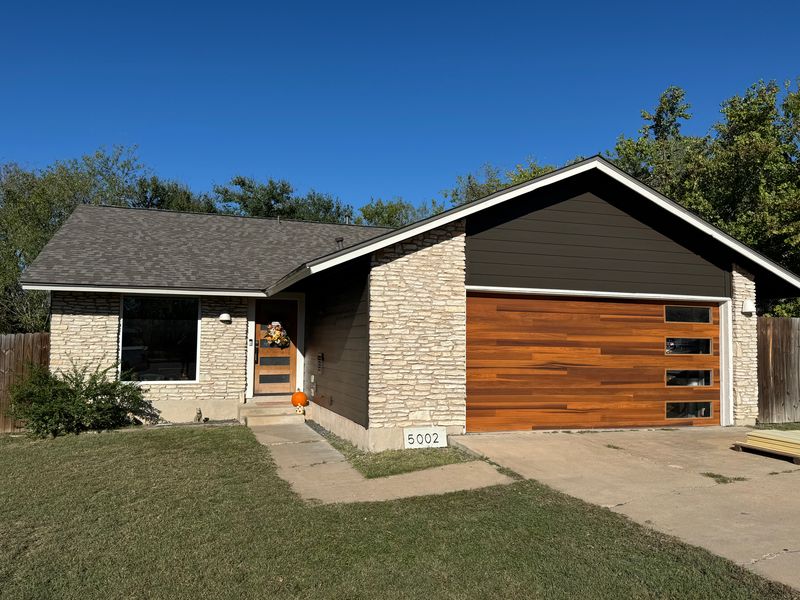
Hiring a trusted siding contractor in Austin involves more than comparing prices. Asking about experience, preparation, installation standards, warranties, and project timelines can help homeowners evaluate proposals more confidently.
A successful siding project begins with an accurate assessment and a clearly defined scope. It should continue with suitable materials and careful installation and conclude with inspection, cleanup, and complete project documentation.
Ready to discuss your siding project? Find Genuine Texas Exteriors on Google Maps and get directions before scheduling your consultation.