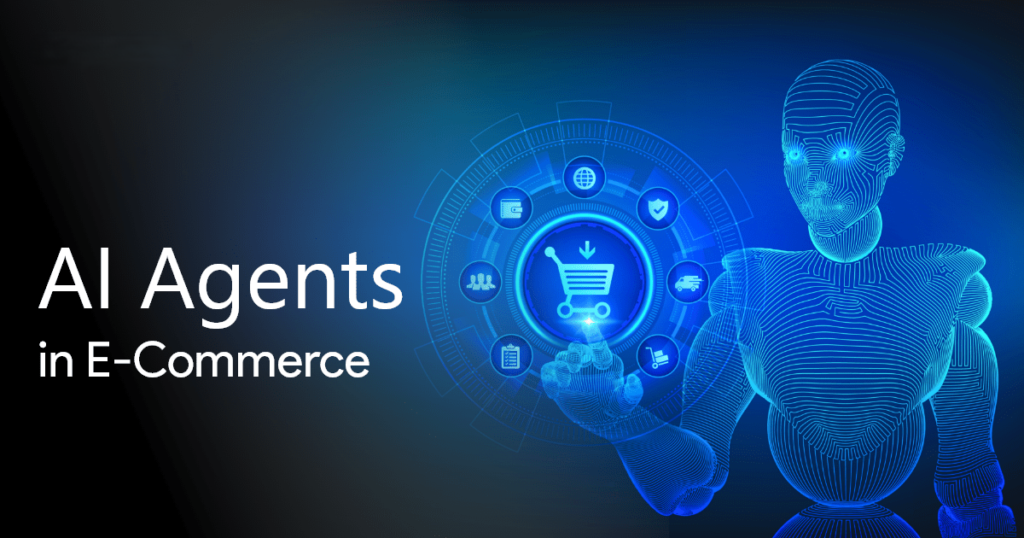
Ecommerce has seen no shortage of tools claiming to use AI, but most of them turn out to be a chatbot bolted onto a dashboard. Peter Szabo’s AICommerce just did something different, and the numbers behind it are worth paying attention to.
The Announcement
According to a recent feature covering AI Commerce AI agents for Shopify stores, AICommerce has officially launched AI agents built to handle the parts of running an online store that used to require constant manual attention: building the store itself, managing day-to-day operations, and adjusting strategy based on real performance data.
This isn’t a small feature update. It’s a shift in what the platform is actually capable of doing on a seller’s behalf, moving from a service that helps sellers make decisions faster to one where the agents themselves handle a meaningful share of the ongoing work.
What Makes This Launch Different
Plenty of companies slap the word “AI” onto their marketing without much behind it. What separates this announcement is the scale of the data these agents were actually trained on. Coverage of the launch of AI Commerce e-commerce agents trained on $100M in data to scale 1,000 stores lays out the specifics: the agents were built using $100 million worth of real e-commerce data, with the explicit goal of helping scale up to 1,000 stores.
That kind of training data matters a lot in practice. An AI agent trained on a small, narrow dataset tends to make decisions that only work in a handful of specific situations. One trained on $100 million in real transaction and performance data across a wide range of stores has a much broader base of patterns to draw from, which typically means better decisions across a much wider range of scenarios.
A few details from the launch worth highlighting:
- The agents are designed to build and manage Shopify stores directly, not just offer suggestions
- Training data spans $100 million in real ecommerce activity, not simulated or synthetic data
- The stated goal is scaling support across 1,000 stores, a meaningful jump from a boutique service model

How This Fits Into the Bigger Picture
This launch didn’t happen in isolation. It builds directly on the company profile and structure covered in earlier reporting on AICommerce e-commerce solutions, which laid out the company’s combination of store design, ad management, and coaching well before this specific AI agent launch was announced.
Seen together, the two pieces of coverage tell a fuller story. The earlier reporting established what AICommerce does and how it’s structured. This new launch shows the company is actively building toward doing more of that work through trained AI agents, rather than relying solely on manual, hands-on service delivery as it scales.
Where to Follow What Happens Next
For anyone who wants to track how this rolls out, the AICommerce LinkedIn company page is the most direct place to follow official updates as the AI agents move from launch announcement to wider availability. Company pages tend to post updates well before they show up in press coverage again, making them a useful first stop for anyone tracking the story closely.
Following there also gives a clearer sense of how the company positions itself day-to-day, separate from a single press release or news feature, which can be useful context for anyone deciding whether the agents are worth exploring for their own store.
Why This Launch Is Worth Watching
AI agents that can build and manage a store are a meaningfully bigger claim than AI features that simply speed up ad testing or generate product descriptions. Whether the agents fully live up to that claim will become clearer as more stores actually use them, but the scale of the training data and the stated goal of supporting 1,000 stores suggest this isn’t a small experiment.
For sellers who have been watching the AI-powered ecommerce space for something more substantial than another chatbot, this launch is worth keeping an eye on as it develops.

FAQs
What did AICommerce just launch?
AI agents that build and manage Shopify stores, not just offer suggestions to sellers.
What were the AI agents trained on?
Real ecommerce data worth $100 million, spanning a wide range of stores and situations.
How many stores is this meant to support?
The stated goal is scaling support across 1,000 stores.
How does this connect to AICommerce’s existing services?
It builds on the company’s existing store design, ad management, and coaching model.
Where can I follow updates on this launch?
The AICommerce LinkedIn company page posts official updates directly.
Is this different from typical AI ecommerce tools?
Yes, most tools assist with decisions; these agents are designed to handle the work directly.