Dental implants are one of the most significant investments you can make in your health and your quality of life. When they are planned and placed well by an experienced clinician, they can last a lifetime — restoring full function, preserving jawbone health, and delivering a result that looks and feels completely natural. When they go wrong, the consequences can be serious, costly, and in some cases very difficult to fully reverse.
The uncomfortable truth that most dental practices do not talk about openly is that implant outcomes vary enormously depending on who places them. Not every dentist who offers dental implants has the clinical experience, the technology, or the surgical skill to deliver consistently excellent results — particularly in complex cases involving bone loss, multiple implants, or full arch restorations. And because most patients have no way of knowing what questions to ask or what warning signs to look for, they sometimes end up in the chair of a provider who is not truly equipped to handle their case.
This article is about what can go wrong when the wrong implant dentist is chosen — and how to make sure it does not happen to you. If you are considering treatment with an implant dentist in Agoura Hills or anywhere near you, understanding these risks before you commit to a provider could save you from a genuinely difficult experience.
Problem 1 — Implant Failure Due to Poor Planning
The most common cause of implant failure that stems from provider error is inadequate pre-surgical planning. Successful implant placement requires a thorough understanding of the patient’s bone volume, bone density, and the precise anatomical structures in the jaw — including the location of nerves and sinus cavities — before a single incision is made.
Practices that do not use 3D cone beam CT imaging for implant planning are working with an incomplete and two-dimensional picture of a three-dimensional problem. This increases the risk of implant placement in a position or at an angle that compromises long-term stability, of nerve damage during lower jaw surgery, and of sinus perforation during upper jaw implant placement. Any of these outcomes can result in implant failure, ongoing pain, or complications that require additional surgery to address.
The lesson here is straightforward — any implant provider who does not take 3D CBCT scans as part of their pre-surgical assessment is not giving your case the level of planning it deserves. Always ask specifically whether 3D imaging is used and what the surgical planning process looks like before agreeing to treatment.
Problem 2 — Infection and Peri-Implantitis from Poor Technique
Surgical technique matters enormously in implant dentistry. The way an implant is placed — the precision of the osteotomy preparation, the avoidance of overheating the bone during drilling, the cleanliness of the procedure, and the management of the surrounding soft tissue — all directly affect how well the implant heals and integrates with the bone.
Poor surgical technique can introduce bacterial contamination to the implant site at the time of placement, leading to early infection that compromises osseointegration before it has had a chance to establish. It can also cause thermal damage to the bone through inadequate irrigation during drilling — a complication that inhibits healing and significantly increases the risk of early implant failure.
Even when an implant initially appears to integrate successfully after suboptimal placement, the long-term consequences of poor technique can manifest months or years later in the form of peri-implantitis — a progressive inflammatory condition affecting the tissue and bone around the implant that is the leading cause of late implant failure. Treating peri-implantitis is challenging and expensive, and in advanced cases, the implant may need to be removed entirely.
Problem 3 — Wrong Implant System or Poor Quality Materials
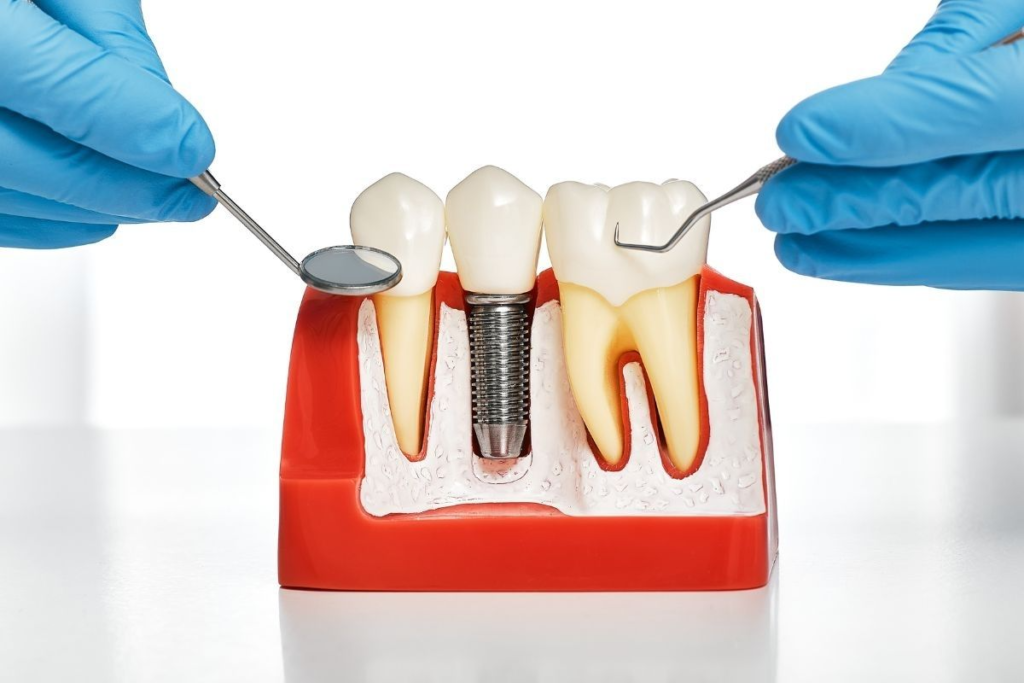
Not all dental implants are made equal. Established implant systems from reputable manufacturers have decades of clinical data behind them — evidence of how they perform, how they integrate with bone, how their components hold up under the forces of biting and chewing over many years, and how their surface treatments promote osseointegration. Generic or budget implant systems often lack this depth of clinical evidence and may use inferior materials that are more prone to component failure, corrosion, or poor long-term integration.
A provider who chooses their implant system based primarily on cost rather than clinical evidence is making a decision that affects the patient far more than it affects themselves. When a patient asks about the implant system being used and receives a vague or evasive answer, that is a signal worth taking seriously. A confident implant dentist will name the system they use, explain why they chose it, and be able to point to the clinical evidence supporting it.
Problem 4 — Inadequate Assessment of Bone Loss
Bone loss is extremely common among patients who have had missing teeth for any significant period of time. Managing bone loss appropriately — whether through bone grafting, sinus lift procedures, or the use of systems specifically designed to work with reduced bone volume — is one of the most important skills that separates experienced implant dentists from less experienced ones.
A provider who dismisses a patient with bone loss as not being a candidate for implants without exploring the full range of available solutions is not giving that patient an accurate picture of their options. Bone grafting, when indicated, creates a solid foundation for conventional implants. And for patients with more extensive bone loss, All-on-4 dental implants in Agoura Hills use a specially designed angled placement approach that often allows full arch restoration without the need for grafting at all.
Conversely, a provider who proceeds with implant placement in a site with insufficient bone without first addressing the deficiency — either because they underestimated the degree of bone loss or because they did not have the skill to perform the necessary preparatory procedures — is setting the patient up for a failure that could have been avoided with proper planning.
Problem 5 — Poor Aesthetic Outcome
Implant failure is not always about the implant itself. Sometimes the implant integrates perfectly from a biological standpoint, but the final result — the crown or restoration placed on top — looks noticeably unnatural, does not match the surrounding teeth, or does not fit the patient’s facial features and aesthetic preferences.
This outcome is less about clinical failure and more about the limitations of a provider who does not have a well-developed eye for cosmetic outcomes or who uses a production-line laboratory rather than a skilled ceramist for their restorations. An implant crown that is the wrong shade, the wrong shape, or poorly proportioned relative to the surrounding teeth is immediately noticeable to the patient every time they look in the mirror — and is a constant reminder of a result that fell short of what was promised.
The best implant providers think about the aesthetic outcome from the very beginning of treatment planning — not as an afterthought once the implant has healed. They use high-quality materials and work with skilled ceramists who understand how to create restorations that look convincingly natural and complement the patient’s overall smile.
Problem 6 — Lack of Aftercare and Follow-Up
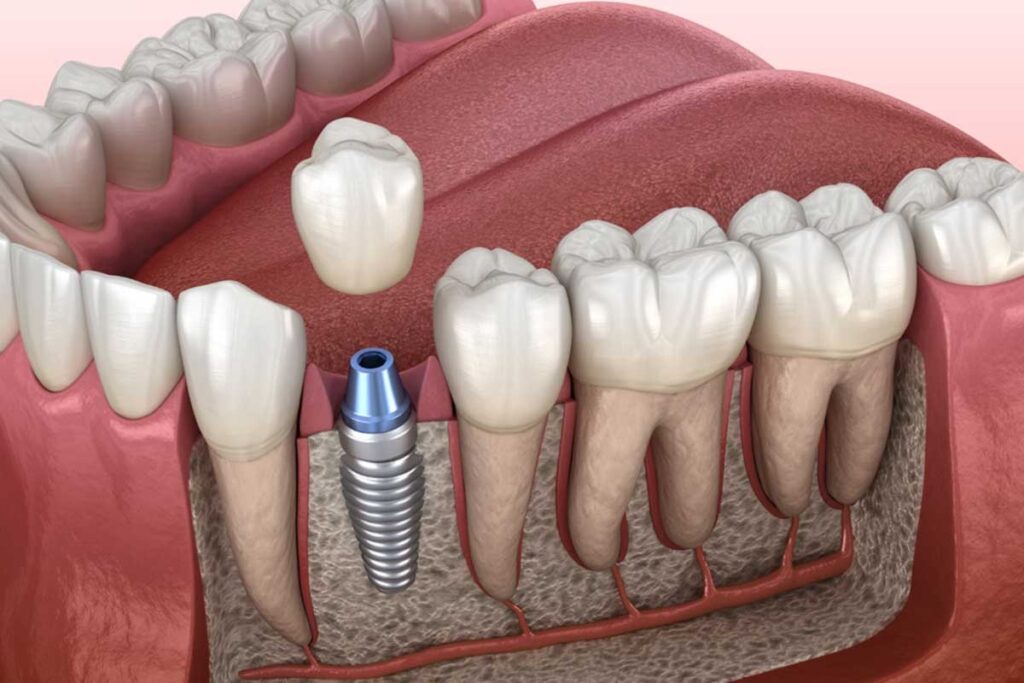
A good implant outcome is not just the result of a well-planned and well-executed surgical procedure. It also depends on appropriate aftercare, monitoring during the healing period, and ongoing professional maintenance once the final restoration is in place. Providers who place implants and then leave patients largely to manage on their own — without clear aftercare instructions, regular follow-up appointments, and a structured peri-implant maintenance protocol — are failing their patients at the final and arguably most important stage of the treatment journey.
Full mouth dental implants in particular require careful and ongoing monitoring to ensure that the implant-supported restoration continues to function properly, that the surrounding gum and bone tissue remain healthy, and that any early signs of peri-implantitis are identified and addressed before they cause irreversible damage. The practices that deliver the best long-term implant outcomes are invariably the ones that take aftercare as seriously as the surgery itself.
How to Protect Yourself
Understanding what can go wrong is only half of the picture. The more important question is what you can do to protect yourself from these outcomes when choosing a provider. Here are the most important steps:
- Ask specifically about the implant system used and why — a confident answer is reassuring
- Confirm that 3D CBCT imaging is used for all implant planning
- Ask how the practice handles cases involving bone loss
- Review before-and-after photos of real implant patients from the practice
- Evaluate the quality of the consultation — thoroughness, transparency, and absence of pressure
- Ask about the aftercare protocol and how your implants will be monitored long-term
- Get a second opinion if anything about the consultation feels rushed or unclear
The Bottom Line
Choosing the wrong implant dentist can result in implant failure, infection, poor aesthetic outcomes, unnecessary complications, and high additional costs to correct problems that should never have occurred in the first place. These outcomes are not inevitable — they are largely the result of inadequate planning, insufficient experience, poor materials, or a lack of genuine aftercare commitment.
The patients who end up with implant results they are genuinely happy with for decades are the ones who took the time to choose their provider carefully — asking the right questions, looking at real results, and trusting their instinct when something did not feel right.

If you are in Agoura Hills, Westlake Village, Calabasas, Thousand Oaks, Oak Park, or Newbury Park and want a consultation with an experienced implant dentist who will give you an honest and thorough assessment, Agoura Advanced Dentistry offers free implant consultations with Dr. Kambiz Kamangar, DDS. Come in with your questions and leave with a clear, confident picture of your options. Find us on Google Maps and come in today.
Frequently Asked Questions
How do I know if my implant dentist is experienced enough?
Ask directly how many implants they place per year, whether they handle complex cases in-house, and what implant system they use. Specific, confident answers are a good sign. Vague responses are worth investigating further before committing.
What are the signs that an implant has failed?
Signs of implant failure include persistent pain or discomfort around the implant site, swelling or inflammation of the surrounding gum tissue, the implant feeling loose or mobile, and visible bone loss around the implant on X-ray. If you notice any of these signs, contact your dentist promptly.
Can a failed implant be replaced?
In many cases, yes. Once a failed implant has been removed and the site has healed — which may require bone grafting if significant bone loss has occurred — a new implant can often be placed successfully. The outcome depends on the cause of the original failure and the condition of the surrounding bone and tissue.
Is it worth getting a second opinion before choosing an implant dentist?
Absolutely. For a permanent treatment like dental implants, getting two or three consultations from different providers is a smart approach. It allows you to compare the thoroughness of each assessment and the quality of each consultation before making a decision you will live with for a very long time.
How long should dental implants last if placed correctly?
With proper placement, good oral hygiene, and regular professional maintenance, dental implants can last 20 years or more — often a lifetime. The titanium implant post is designed to be a permanent fixture in the jawbone and should provide decades of reliable function when placed by an experienced clinician.