Most pet owners go to a wellness exam with the best intentions. They bring their dog or cat in, let the vet do their thing, nod along during the summary, and head home feeling like they covered the bases. It is only later, driving back or sitting at home that evening, that the questions start surfacing. The ones they meant to ask but forgot. The ones they did not realize were worth asking. The ones they felt a little embarrassed to raise because they were not sure if they were silly.
None of those questions are silly. The wellness exam is the one appointment where you have a qualified professional’s undivided attention and your pet right there in the room. It is the best possible setting to ask anything and everything on your mind about your pet’s health. The owners who get the most out of every visit are the ones who come prepared with questions rather than waiting for the vet to cover everything unprompted.
This guide covers the questions most Encino pet owners never think to ask at a wellness exam but absolutely should. For pet owners who want to make the most of every visit, booking a pet wellness exam in Encino at a practice that genuinely welcomes these conversations is the right starting point.
Questions About What Was Actually Found
The most common missed opportunity at a wellness exam is not asking for specifics about what the vet found during the physical examination. Most owners receive a summary at the end of the visit and accept it at face value. But the summary is rarely the full picture, and asking for more detail often reveals information that changes what you pay attention to at home.
Ask your vet to walk you through each part of the physical examination and tell you specifically what they found, not just whether everything is normal. A heart murmur graded at a one out of six in an eight-year-old dog is meaningfully different from one graded at a three. Early tartar accumulation that does not yet require a cleaning is still something worth knowing about so you can start a pet home dental care routine before the next visit. A body condition score that is at the high end of normal is a different situation from one that is solidly in the middle.
These details change what you do between now and the next appointment. They are worth asking for explicitly rather than assuming the vet will volunteer them if they are important.
Questions About Bloodwork
Bloodwork is one of the most underutilized tools in routine pet care, and the conversation around it at wellness exams is often shorter than it should be.
Do my pet’s bloodwork results fall within normal range or just within the reference range?
This distinction matters more than most owners realize. Reference ranges are established based on large populations of animals and cover a wide band of values. A result that sits at the very top of the reference range is technically normal but may be trending in a direction worth monitoring. A vet who tracks individual values over time and flags directional changes before they cross into abnormal territory is practicing a more nuanced form of preventive medicine than one who simply reports whether each value is in or out of range.
How do my pet’s results compare to last year?
If your pet has had bloodwork before, asking for a comparison to previous results gives you a much more informative picture than a single set of values on its own. A kidney value that has increased slightly each year for three years tells a different story from one that has been stable at the same level for the same period.
Encino Pet Hospital and Emergency is open seven days a week including holidays and welcomes the kind of thorough, detailed wellness exam conversations this guide describes.
At what point would a specific value prompt you to recommend action?
For values that are currently within normal range but trending, asking the vet at what point they would recommend dietary changes, medication, or more frequent monitoring gives you a clear picture of what to watch for and what the plan looks like if things continue in the same direction.
Questions About Your Pet’s Specific Breed
Breed-specific health considerations are one of the areas where pet owners most consistently miss useful information at wellness exams, and they are entirely appropriate to raise regardless of whether your vet brings them up first.
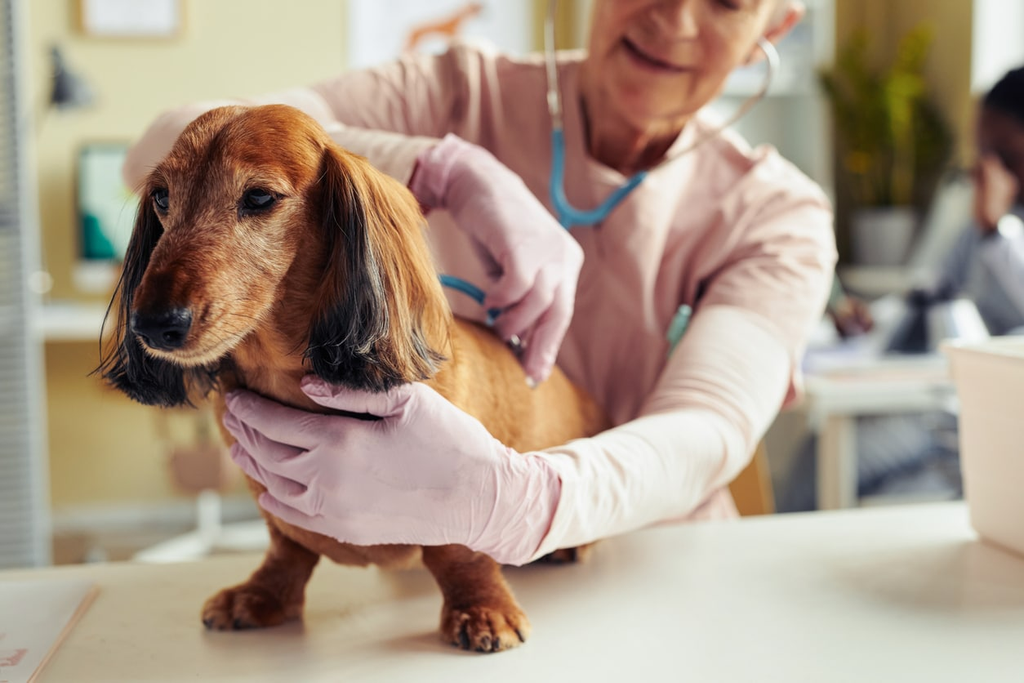
What health conditions is my pet’s breed predisposed to?
Every breed has documented predispositions. Labrador Retrievers are prone to hip dysplasia and certain cancers. Maine Coon cats have a higher incidence of hypertrophic cardiomyopathy. Dachshunds are at elevated risk of intervertebral disc disease. Knowing what your pet’s breed is prone to helps you understand which symptoms are worth flagging early and which screenings are worth prioritizing.
Is there any breed-specific screening I should consider?
Some breed predispositions have specific screening tests worth discussing. Cardiac screening for breeds prone to heart disease. Hip scoring for large breeds at risk of dysplasia. Genetic testing for breeds with documented hereditary conditions. These conversations rarely happen unless the owner raises them, and they are worth raising.
Questions About Lifestyle and Home Care
The wellness exam is the ideal time to get personalized guidance on the day-to-day decisions that affect your pet’s health most directly, and most owners leave without asking for any of it.
Is my pet’s current diet appropriate for where they are in their life?
Nutritional needs change significantly across a pet’s lifespan. A food that was appropriate for a two-year-old dog may not be the best choice for the same dog at eight. A cat moving into their senior years has different protein and phosphorus requirements than a young adult cat. The wellness exam is the right time to review whether the current diet is still serving your pet well and what adjustments might be worth making.
How much exercise is appropriate for my pet right now?
Exercise needs change with age, health status, and season. A dog recovering from a joint flare-up needs a different activity level from the same dog in peak health. A senior cat with early arthritis benefits from specific types of gentle activity and may be harmed by others. Getting specific guidance rather than a generic more exercise is better produces recommendations you can actually act on.
What should I be doing at home between wellness visits?
This is the question that produces the most actionable information of any on this list, and it is almost never asked. Monthly lumps and bumps checks. Weekly ear inspections for breeds prone to ear infections. Daily tooth brushing. Specific signs to watch for given your pet’s age, breed, and current health status. A vet who is asked this question directly will give you a personalized home care checklist that is far more useful than a general recommendation to keep an eye on things.
Questions About the Next Steps
The end of the wellness exam is the moment most owners are mentally already on their way out the door. It is also the moment where some of the most important information gets exchanged.
What is the one thing I should be most focused on before the next visit?
Asking the vet to prioritize gives you a clear direction when the appointment has covered a lot of ground. If your pet has three things worth monitoring, knowing which one the vet considers most important helps you allocate your attention appropriately rather than treating everything equally.
When should I book the next wellness visit?
For adult pets in their prime years, annual visits are standard. For senior pets, twice-yearly visits are the recommendation. But some pets fall into a grey zone where the vet might recommend a six-month recheck for a specific finding even if the full pet wellness exam is annual. Asking directly gives you a clear timeline rather than leaving it open-ended.
At what point between now and the next appointment should I call you?
This is the question that gives you the clearest guidance on when something at home is worth acting on versus when it can wait. The answer is specific to your pet’s current health status and is far more useful than a general call us if anything changes.
The Questions You Ask Shape the Care Your Pet Gets
A wellness exam for pets in Encino is only as useful as the conversation that happens during it. The clinical findings matter, the bloodwork matters, the physical examination matters. But the questions you bring to the appointment determine how much of that information actually translates into action at home between visits.
Come prepared. Ask the specific questions. Push for detail when the answer feels vague. The owners who do this consistently are the ones who catch things early, make better day-to-day decisions for their pets, and build genuinely useful relationships with their veterinary team over time.
Call (818) 922-2209 or visit our website whenever your dog needs help.